Introduction
Good shelter is one of the most important investments you can make for the health and well-being of your animals. Whether you keep livestock, poultry, or companion farm animals, a well-designed barn or shelter protects against weather extremes, reduces stress, and helps prevent predator attacks. This guide covers practical design principles and essentials you can implement even on a modest budget.
Site selection and orientation
Choose a site with good natural drainage and avoid low-lying frost pockets. Position buildings to shelter animals from prevailing winds and to maximize winter sunlight where possible. Consider access for feed delivery, manure removal, and emergency vehicles.
Key considerations
- Drainage: keep runoff away from foundations and pens.
- Elevation: slightly raised pads reduce mud and standing water.
- Access: plan gates and driveways for tractors and trailers.
Structure, materials and durability
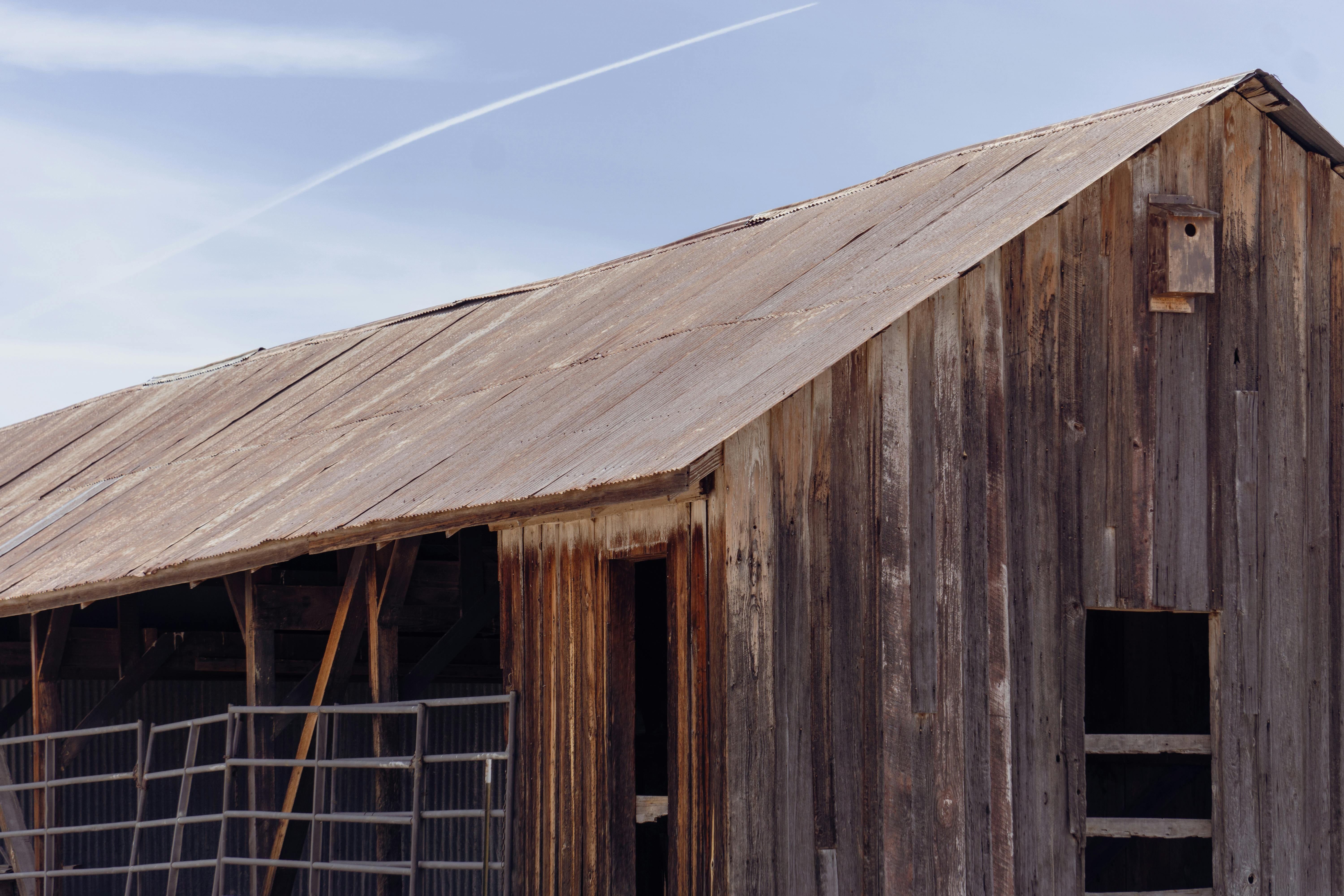
Use durable materials suited to your climate. Timber is warm and easy to work with, while metal frames and panels are low-maintenance and long-lasting. Combine materials for cost-efficiency: a metal roof with wooden interior framing is a common approach.
Ventilation and insulation
Ventilation removes moisture, ammonia and heat. Design natural ventilation with ridge vents, windows, and adjustable side openings. Insulation helps in cold climates to reduce drafts and prevent condensation that leads to respiratory problems.
Flooring, bedding and drainage
Choose flooring that provides traction, comfort, and easy cleaning. Concrete is durable but benefits from rubber mats or straw bedding to increase comfort. Earthen floors with gravel may be suitable for certain animals but need proper drainage. Sloped floors and gutters reduce standing water and minimize hoof problems.
Predator protection and fencing
Predator-proofing is essential for small livestock and poultry. Use hardware cloth rather than poultry wire, secure roof lines, and bury fencing at least a foot to deter diggers. Double-gated entries create safe transfer zones for loading and unloading animals.
Safety and fire prevention
Install smoke detectors, keep hay and combustible materials away from heat sources, and maintain electrical systems. Have a clear evacuation plan and accessible water sources for firefighting.
Space guidelines and layout
Design stalls and pens according to species needs. Provide enough space for natural behaviors—resting, feeding, and social interaction. Include separate sick or quarantine pens to isolate animals when necessary.
Lighting and handling
Natural light improves animal welfare. Supplement with LED lighting for energy efficiency and even coverage. Plan handling chutes and gates that minimize stress and reduce injury risks during routine procedures.
Maintenance and hygiene
Design for easy cleaning: smooth surfaces, accessible corners, and removable partitions make chores faster and improve biosecurity. A simple maintenance schedule prevents small issues from becoming costly repairs.
Emergency planning
Prepare for severe weather, power outages, and disease outbreaks. Keep basic supplies on hand: extra bedding, backup feed, portable fencing, and a first-aid kit. Design shelters with multiple exits and contingency water sources.
Checklist: Quick design essentials
- Choose a dry, accessible site with good drainage.
- Provide adequate ventilation and insulation.
- Use predator-resistant materials and secure fencing.
- Ensure safe, non-slip flooring with appropriate bedding.
- Plan for easy maintenance and cleaning.
- Include separate areas for sick or stressed animals.
- Prepare emergency and fire-safety measures.
Conclusion
A thoughtful shelter design balances animal comfort, safety, and ease of management. Small improvements—better bedding, a ridge vent, or a more secure door—can yield significant health and behavior benefits. Start with core priorities: dry bedding, good ventilation, and predator protection, then adapt features to your species, climate, and budget. Well-designed housing keeps animals healthier, reduces labor, and ultimately saves money.




Great overview. I especially appreciated the predator-proofing tips. Does anyone have recommendations for affordable hardware cloth sizes for chicken runs?
For my small flock I used 1/2 inch hardware cloth sunk 12 inches and stapled to the frame. It has prevented foxes and raccoons so far.
Don’t overlook ventilation placement. Poor air flow in winter is a common cause of respiratory issues in confined animals. Consider adjustable ridge vents and monitored humidity.
Very useful checklist. I would add a recommendation to label water and feed shutoffs and keep a simple map of the shelter for helpers in an emergency.