
Feeding Strategies for Livestock
Creating balanced feeding programs for cattle, sheep, and pigs is essential to animal health, productivity, and farm profitability. A successful strategy considers forage quality, concentrates, mineral and vitamin supplementation, water availability, and seasonal needs. The following guidance covers practical approaches for different classes of livestock and outlines seasonal adjustments and supplement choices to keep animals in optimal condition.
Principles of a Balanced Feeding Plan
A balanced plan provides adequate energy, protein, fiber, minerals, and vitamins for the animal’s physiological state (maintenance, growth, pregnancy, lactation). Begin with forage analysis: knowing dry matter, crude protein, and energy content allows you to build a ration. Monitor body condition scoring (BCS) regularly and adjust intake to avoid underfeeding or overconditioning.
Key components
- Forage base: pasture, hay, or conserved forage should be the foundation for ruminants. For pigs, include fiber sources as appropriate but rely more on formulated rations.
- Concentrates: cereals and byproducts provide energy; soybean meal and other protein meals supply protein.
- Mineral and vitamin supplements: salt, calcium, phosphorus, and trace elements (selenium, copper, zinc) are often required. Match supplements to regional deficiency risks.
- Clean water: always provide adequate, accessible water; intake directly influences feed intake and performance.
Cattle: Practical Recommendations
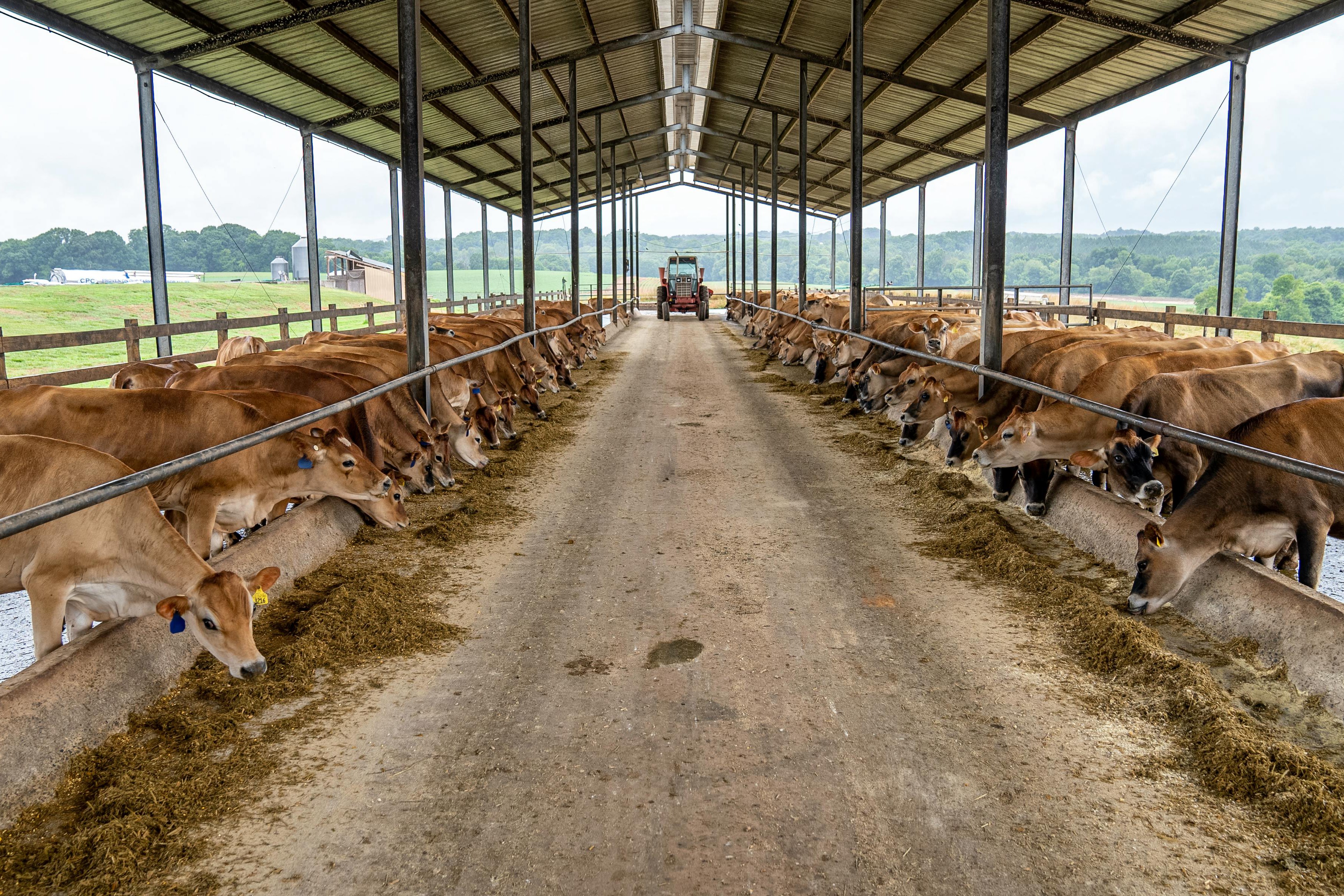
Cattle benefit from Total Mixed Rations (TMR) where practical, especially for dairy or finishing herds. For grazing systems, supplement lower-quality forage with energy-dense feeds during growth and finishing or when forage is limited. Monitor body condition for dry cows and transition animals—energy demands rise sharply in late gestation and early lactation.
- Breeding and gestation: maintain moderate BCS, avoid sudden feed changes close to calving.
- Lactation: increase energy and protein; consider rumen-active buffers and high-quality forages.
- Finishing: balance energy and protein for efficient gain, and consider ionophores or feed additives only under veterinary guidance and local regulations.
Sheep: Efficiency and Parasite Management
Sheep require careful protein and mineral balance, particularly pregnant ewes in late gestation and lactating ewes. Creep feeding lambs can accelerate growth when done economically. Because sheep are sensitive to copper, use sheep-specific mineral mixes to avoid toxicity.
- Late gestation: increase energy and high-quality protein to support multiple fetuses.
- Lambing season: ensure ewes have access to clean, palatable feed and plenty of water.
- Parasite control: proper nutrition improves resilience; consult a parasite control plan that integrates nutrition and grazing management.
Pigs: Stages and Rapid Growth
Pigs have high nutrient density needs, especially during the nursery and grower-finisher stages. Phase feeding—adjusting diet formulations as pigs grow—improves feed efficiency and reduces waste. Implement creep feeding for piglets to ease weaning stress and promote gut development.
- Nursling care: ensure milk intake first, then introduce highly digestible creep feed.
- Grower/finisher: balance amino acids (lysine) to meet lean growth targets without excess protein waste.
- Hygiene and feed storage: prevent mold and mycotoxins—store feeds dry and rotate stock.
Seasonal Adjustments
Seasons change energy needs. In cold months, increase dietary energy to maintain body temperature—consider higher-energy concentrates or feeding more conserved forages. In hot weather, reduce heat increment by lowering rapidly fermentable carbohydrates during high heat to minimize heat stress and maintain intake. Always ensure water sources remain unfrozen in winter and cool/clean in summer.
Supplements and Strategic Use
Use mineral blocks, loose minerals, or medicated supplements as needed based on forage analysis and veterinary advice. Trace mineral injections may be warranted in deficiency-prone areas. Probiotics and yeasts can support rumen and gut health; evaluate products for evidence and cost-effectiveness.
Monitoring and Record-Keeping
Keep records of feed bills, animal weights, BCS, and health events. Regular weighing or visual scoring helps detect trends early. Work with a nutritionist or extension agent to periodically review rations and forage analyses.
Practical Tips
- Sample forages twice a year and after major weather events.
- Introduce feed changes gradually over 7–14 days to reduce digestive upsets.
- Provide adequate bunk space to avoid competition and ensure even intake across the herd or flock.
- Adjust rations for life stage: maintenance, growth, gestation, and lactation.
Balanced feeding is both science and farm management. Tailoring plans by species, class, and season while monitoring animal condition and performance is the best way to protect animal welfare and improve production efficiency. When in doubt, consult a qualified animal nutritionist or veterinarian for specific ration formulations and supplements appropriate for your region and operation.





Great practical advice—especially the reminder to sample forage regularly. Saved me last winter.
Good overview. Remember to check local mineral deficiency maps before choosing a supplement.
Helpful tips on seasonal adjustments. We increased energy in winter and saw better cow condition.