Preventing Common Animal Illnesses: Recognition, Vaccination, and Biosecurity for Small Farms
Keeping livestock healthy on a small farm requires attentive observation, sound vaccination practices, and practical biosecurity measures. Early recognition of disease, combined with prevention strategies, reduces animal suffering, protects farm income, and lowers the risk of zoonotic transmission. This post summarizes key signs to watch for, vaccination basics every small-farm owner should know, and straightforward biosecurity steps that fit modest budgets.
Recognizing Signs of Disease
Animals rarely show sudden catastrophic illness without earlier clues. Make daily checks part of your routine. Look for these general and species-specific signs:
- General indicators: loss of appetite, weight loss, lethargy, fever, reduced production (milk, eggs), abnormal feces, coughing or nasal discharge, and sudden behavioral changes.
- Poultry: ruffled feathers, droopiness, reduced egg production, swollen eyes or wattles, sneezing, and unusual mortality patterns.
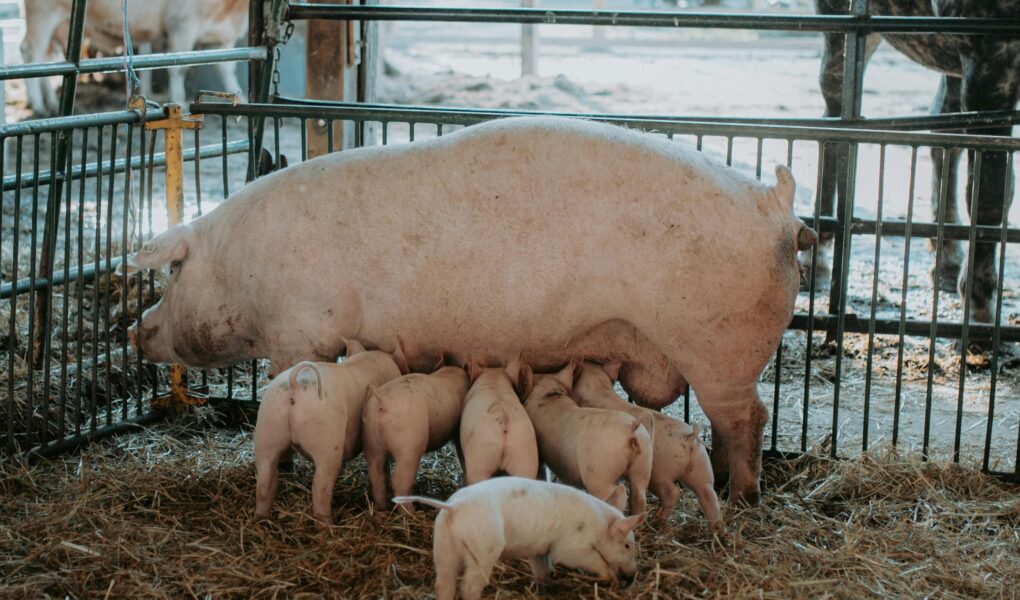
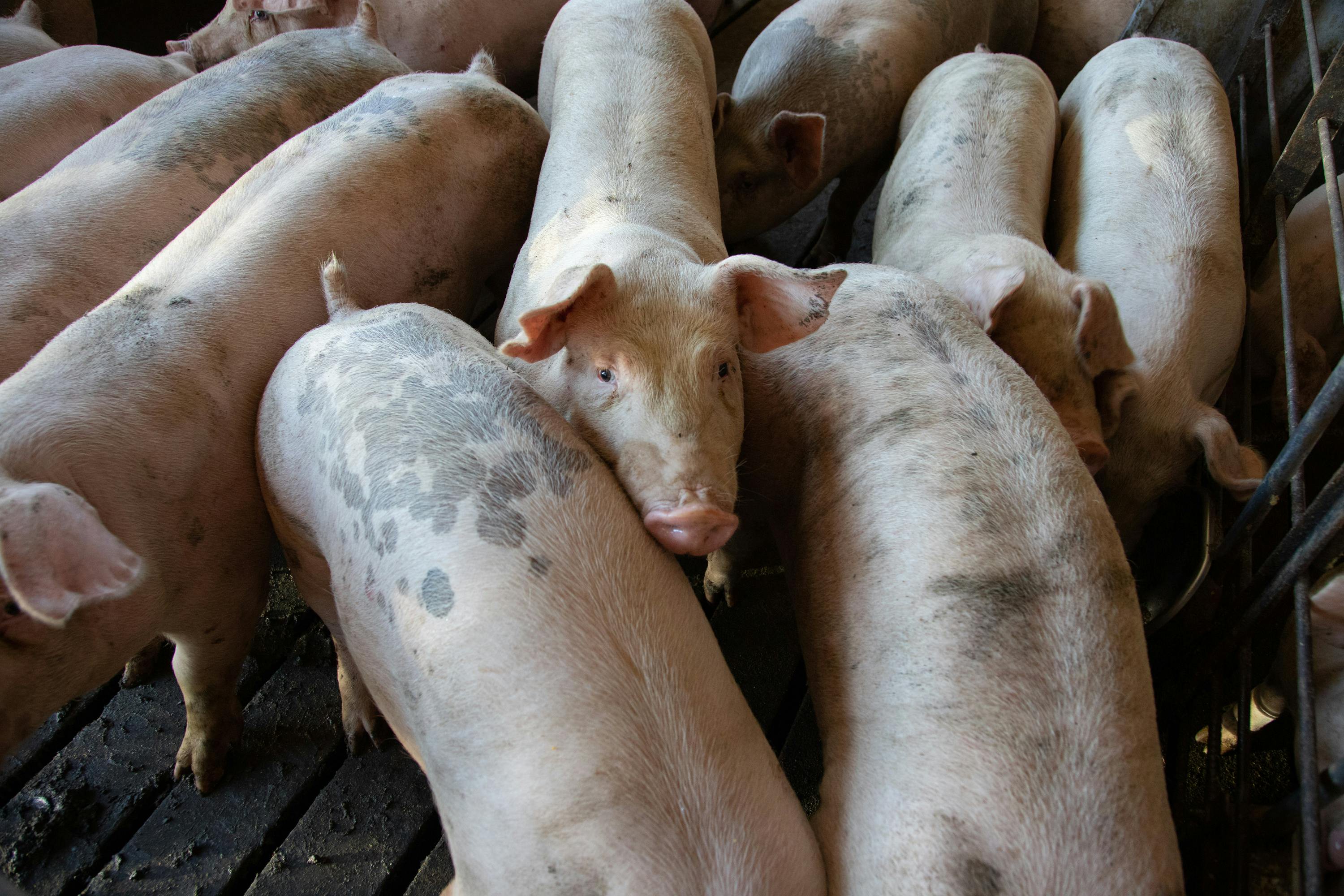
- Swine: coughing, skin lesions, lameness, diarrhea in piglets, and nervous signs in severe infections.
- Cattle and small ruminants: drooling, difficulty breathing, sudden drops in milk yield, scours in young animals, and swollen joints or lameness.
Keep a daily log with each animal or group’s condition and production numbers. Trends often reveal problems before individual animals appear sick.
Vaccination Basics
Vaccination is one of the most cost-effective tools for preventing disease. However, vaccines must be used correctly to be effective.
- Work with a veterinarian: develop a vaccination plan tailored to your region, species, herd size, and production goals. A vet can advise on which vaccines are essential and which are optional.
- Understand vaccine types: killed/inactivated vaccines require adjuvants and sometimes multiple doses; modified-live vaccines can provide rapid immunity but may have special handling needs; bacterins and toxoids protect against bacterial diseases and toxins.
- Follow the schedule: adhere to recommended timing for primary series and boosters. For neonates, maternal antibodies can interfere with vaccine response; vets will advise appropriate timing.
- Cold chain and handling: store vaccines at correct temperatures, avoid freezing unless specified, and use sterile needles and equipment. Record lot numbers and expiration dates.
- Proper administration: deliver vaccines by the recommended route (subcutaneous vs. intramuscular) and site to reduce injection reactions and ensure efficacy.
Practical Biosecurity Measures
Biosecurity reduces the introduction and spread of pathogens. Even small farms can adopt measures that offer big returns:
- Control animal movement: quarantine new or returning animals for at least 2–4 weeks, observe for signs, and consider testing for common diseases before mixing with the herd.
- Visitor protocols: limit farm visitors, especially those who have been near other livestock. Provide hand-washing stations, disposable boot covers, and a simple visitor log to track exposure.
- Cleanliness: establish routine cleaning and disinfection schedules for housing, feeders, and waterers. Remove organic material before applying disinfectant for maximum effectiveness.
- Pest control: rodents, wild birds, and insects can carry disease. Implement rodent control, secure feed storage, and reduce standing water to limit mosquitoes and flies.
- Separate sick animals: have an isolation area to treat ill animals, staffed with dedicated equipment and PPE to prevent cross-contamination.
- Protect feed and water: store feed in sealed containers, rotate supplies to prevent spoilage, and ensure water systems are clean and functioning.
- PPE and hygiene: gloves, dedicated boots, and coveralls reduce pathogen spread. Train staff and family members in donning/doffing and hand hygiene.
- Deadstock and manure management: dispose of carcasses according to local regulations; composting, rendering, or approved burial reduce environmental contamination. Manage manure to limit runoff and flies.
Record-Keeping and Monitoring
Records are the backbone of disease prevention. Track vaccinations, treatments, births, mortalities, and laboratory results. Regularly review records to detect patterns — for example, repeated mastitis cases or respiratory issues after a specific management change.
When to Call the Vet and Reporting
If you see unusual or rapidly spreading signs, sudden increases in mortality, or symptoms of notifiable diseases (varies by region), contact your veterinarian immediately. Early diagnostic testing can identify pathogens and lead to targeted control measures. Many regions have mandatory reporting for certain diseases — know local requirements.
Practical Checklist for Small Farms
- Daily animal observation and record entry.
- Quarantine protocol for new animals (2–4 weeks).
- Vaccination plan developed with a vet; maintain cold chain and logs.
- Dedicated isolation area and PPE for sick animals.
- Visitor control and biosecurity signage.
- Routine cleaning, disinfection, and pest control.
- Safe deadstock disposal and manure management.
- Regular review of records and vaccination schedules.
Final Thoughts
Prevention is far easier and less costly than treatment. Observant daily care, a sensible vaccination program, and practical biosecurity tailored to your farm’s size and species mix will go a long way toward keeping animals healthy. Build a strong relationship with a local veterinarian, stay current with regional disease risks, and adapt practices as your farm grows. Healthy animals mean fewer veterinary bills, better productivity, and a safer farm for people and livestock alike.
Have a question about a specific species or a problem you’re seeing on your farm? Leave a comment or consult your veterinarian for species-specific guidance.




This is a great overview — I especially appreciate the quarantine timing and checklist. Weadded a visitor log and it helped pinpoint how a respiratory bug entered last year.
Helpful reminders on vaccine handling. I didn’t realize freezing some vaccines could harm them. Will talk to my vet about storage upgrades.
Practical and well laid out. Could you do a follow-up post with species-specific vaccination schedules (chickens vs. goats)? That would be useful.
Don’t underestimate rodent control — we had recurring problems until we sealed feed bins. Great post for new smallholders.